VMware alternatives for housing associations
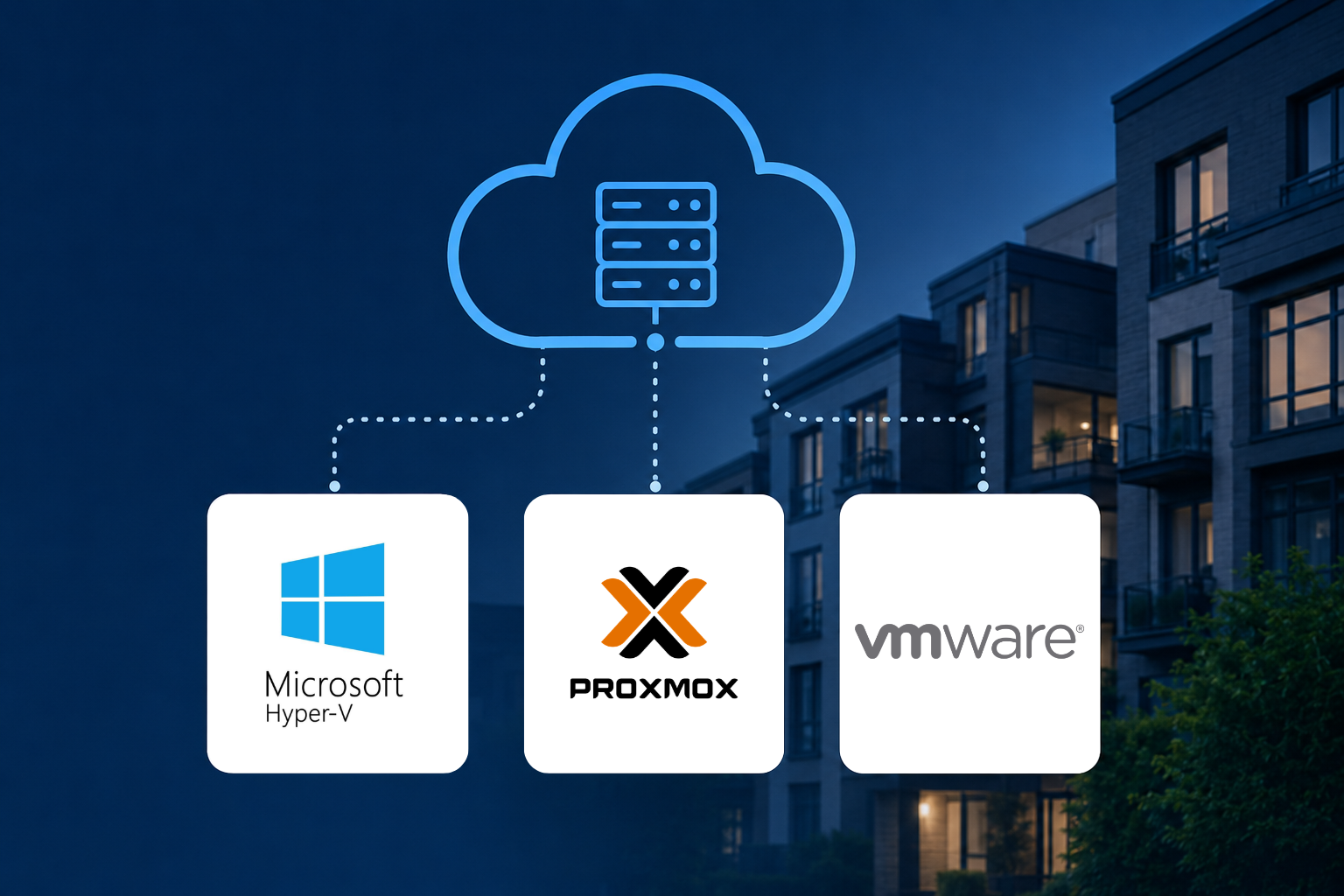
Housing providers are under pressure from every direction. Budgets are tight, demand for services is rising, cyber threats are becoming more sophisticated and many internal IT teams are being asked to modernise complex estates while keeping day-to-day systems running.
For many organisations, that estate includes a mix of housing management platforms, finance systems, HR tools, portals, legacy applications and critical infrastructure. These systems need to be reliable, secure and cost-effective, but too often they are supported by technology that is difficult to maintain and expensive to scale.
One area under particular scrutiny is virtualization.
For years, VMware has been the default choice for many organisations. It is mature, reliable and feature-rich. But following Broadcom’s acquisition, many IT leaders are reassessing whether it still offers the right balance of value, flexibility and long-term fit. The shift to subscription bundles and reported 300-500% price increase for equivalent functionality has made “do nothing” a risky option for already stretched housing providers.
Staying with familiar platforms may feel safe, but rising costs and vendor lock-in can limit agility. Moving away from VMware can create savings and strategic flexibility, but migration needs careful planning, workload assessment and the right technical expertise.
What are the alternatives to VMware?
There is no single best answer. The right platform depends on your estate, skills, licensing position and cloud strategy.
Microsoft Hyper-V is often the most natural option for housing providers with a Microsoft-focused environment. It integrates well with Active Directory, Group Policy and the wider Microsoft ecosystem. It also aligns with hybrid strategies using Azure Arc, Azure Site Recovery and Azure Backup. For Windows-centric teams, it usually presents a lower skills gap than other alternatives.
Proxmox VE is gaining attention as an open-source alternative, particularly for cost-sensitive or technically capable teams. Built on KVM and Linux containers, it offers clustering, high availability, integrated backup options and flexibility without the same level of vendor lock-in. However, it typically needs stronger Linux skills and careful consideration around support, compliance tooling and existing third-party integrations.
Remaining with VMware may still make sense for larger or more complex environments, especially where advanced features such as DRS, NSX or vSAN are heavily used. In those cases, the priority should be understanding current usage, rightsizing the estate and building a clear business case before making a decision.
Migration is not just a technical decision
A successful move away from VMware starts with discovery. Housing providers need to understand which workloads are business-critical, how much downtime is tolerable, whether current backup and monitoring tools are compatible and what internal skills will be needed after migration.
The challenge is no longer just technical capability. It’s balancing:
- Cost and commercial flexibility
- Operational risk
- Existing Microsoft investment
- Disaster recovery and backup strategy
- Long-term cloud direction
This is where an experienced IT partner can add real value. The goal is not simply to swap one hypervisor for another. It is to build an infrastructure strategy that supports long-term resilience, security and cost control while giving internal teams more time to focus on strategic improvement.
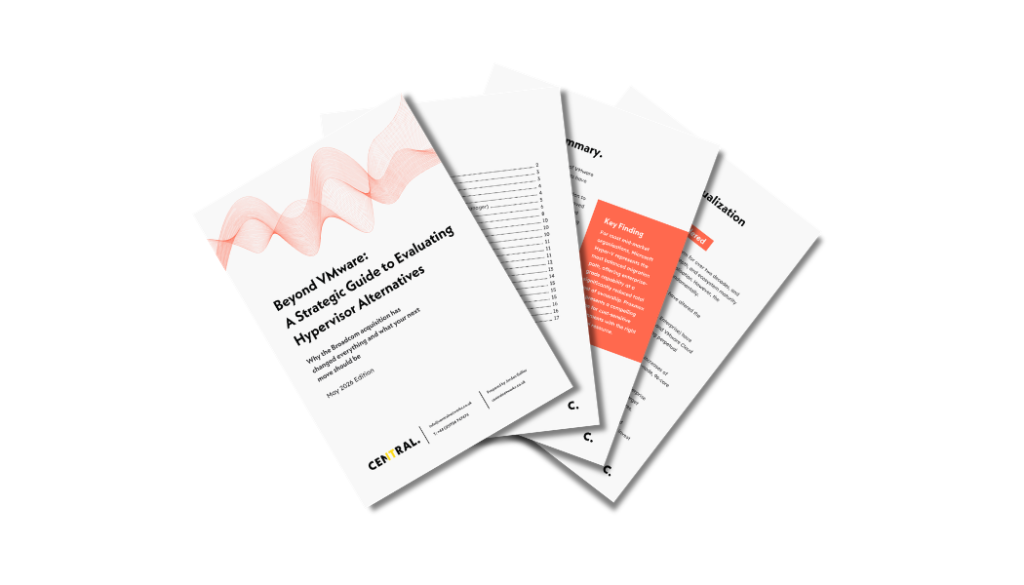
We’ve pulled together a practical guide comparing VMware, Hyper-V and Proxmox, including migration considerations, platform trade-offs and what organisations should be evaluating before making a change.